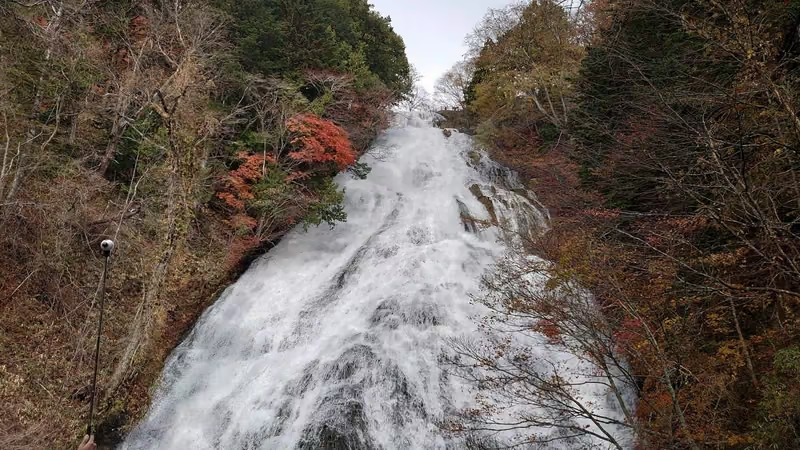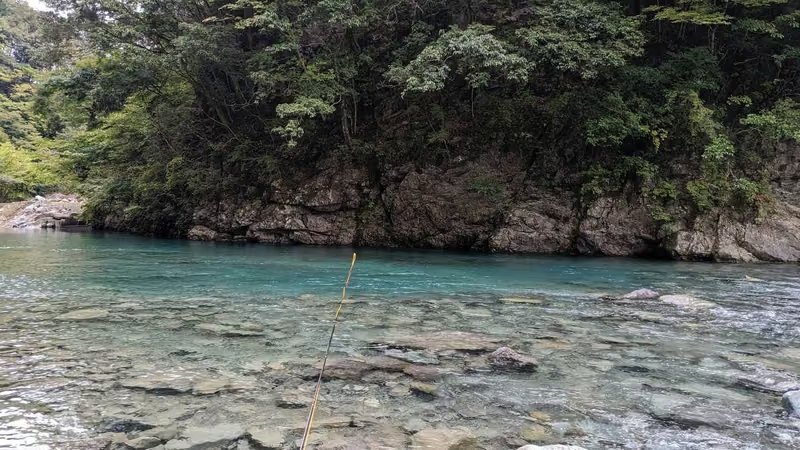
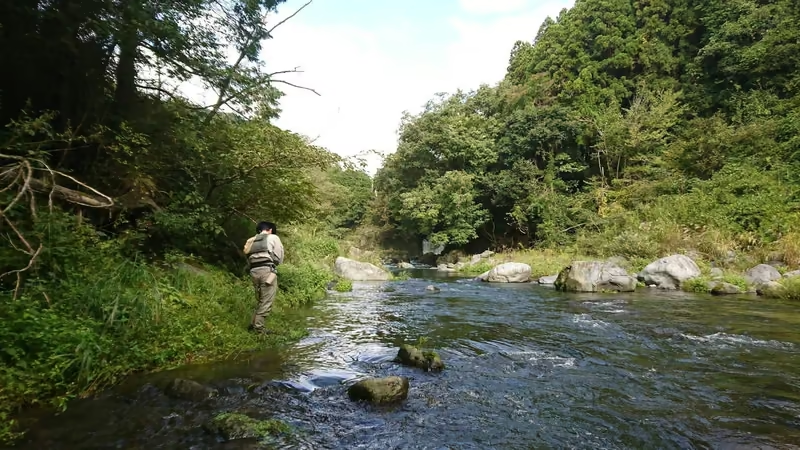
A clear blue-green pool on a Japanese mountain river, with a forested rock bank
Prices and hours checked on official sites, 18 Oct 2026

Trout fishing in Japan

No gear and no license needed. Managed trout areas near Tokyo rent you a rod, sell the bait and often grill what you catch — and you can get there by train.

Four quick answers

What almost every visitor asks first.

Do I need a fishing license?

Not at managed areas. Japan has no national license; your entry ticket covers you. Rivers and lakes need a local day ticket (yugyoken). Full guide

Can I rent gear?

Yes. All six spots below rent rods or include one in the ticket, and sell bait. Lure and fly rentals at Ozenji and Asaka Garden.

Can I get there by train?

Yes. Ichigaya and Hikawa are a short walk from the station. Ozenji, Asaka Garden, Akigawa and Okutama Fishing Center need a local bus after the train.

When is the season?

Managed areas run all year. Wild mountain streams close for spawning in autumn and reopen around spring, so October to March is peak time at managed areas. December and January are fine too — but in winter some spots close on extra weekdays and over New Year (Hikawa, Akigawa and Okutama Fishing Center), so check the hours for each spot below. In winter you can also try wakasagi ice fishing.

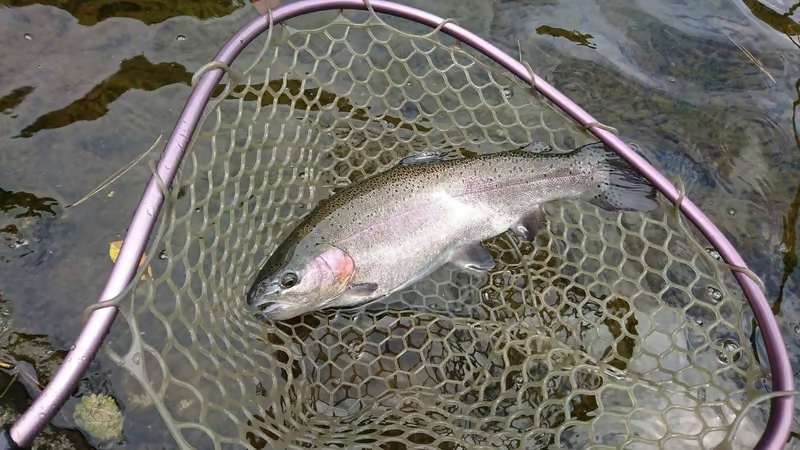
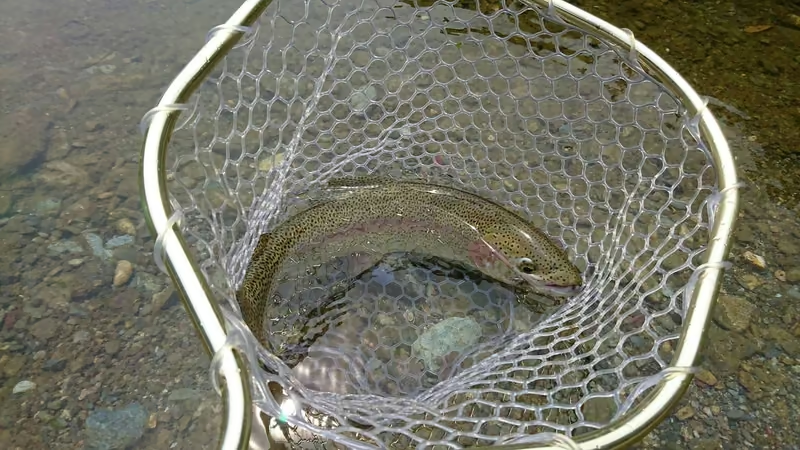
A rainbow trout lying in a landing net over a pebbly riverbed
A rainbow trout in the net
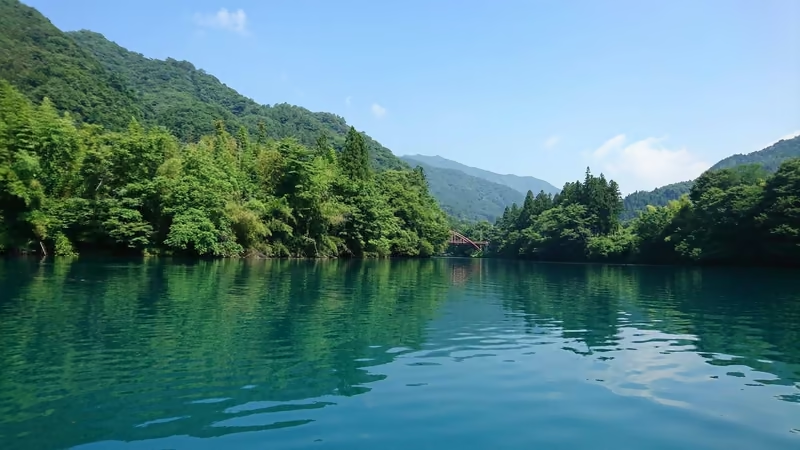
Calm emerald water between forested mountains
Clear mountain water
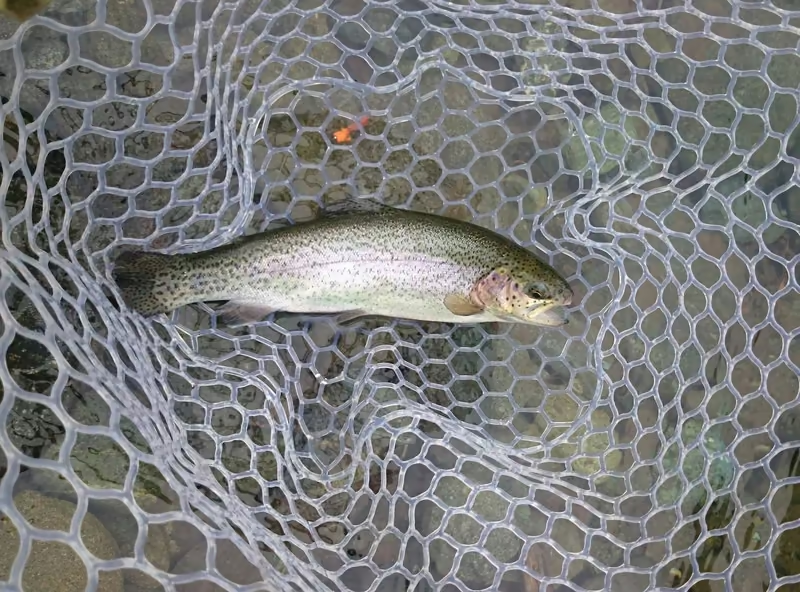
Close-up of a spotted trout in a mesh landing net
Spotted, silver and pink
Two salt-grilled trout on a paper tray beside a turquoise river
Salt-grilled at the water's edge
An angler wading a shallow mountain stream between green hills
A day on a mountain stream
A trout swimming in a blue bucket
Today's catch

Photos: our own fishing trips in Japan.

Short films from our trips

Half a minute of Japanese trout water at a time — the same rivers and ponds this guide covers. New films most days on our YouTube channel.

All short films on YouTube

Six no-gear trout spots near Tokyo, by train

Rental rods, bait on site, and a station within reach. Pick one by how much time you have. In Osaka or Kyoto instead? See trout fishing near Osaka and Kyoto.

Checked 18 Oct 2026
SpotGetting thereRentalCheapest way inEat your catch
Ichigaya Fish Center
Central Tokyo
Walk from Ichigaya Sta.Included¥1,600 / 70 min + fishGrilled free
FISH ON! Ozenji
Kawasaki
Bus from Shin-YurigaokaLure/fly/tenkara/bait sets¥3,600 / 3 h*BBQ plan
Asaka Garden
Saitama
Bus from Asaka Sta.Lure ¥800, fly ¥1,000¥3,600 / 3 h—
Hikawa
Okutama
5 min walk from Okutama Sta.¥400 (bait)¥1,000 / 1 hSalt-grilled ¥400
Akigawa
Akiruno
Bus from Musashi-Itsukaichi¥200 (bait)¥200 rod + ¥400/fishGrilled-trout swap
Okutama Fishing Center
Ome · partly reopened
Bus from Mitake Sta.Included (pool)¥500 + ¥360/fishGrill on rented stove

*Ozenji: ¥3,600 is the 3-hour price for women, students, and men on weekdays; men pay ¥4,200 on weekends. Prices include tax.

Ichigaya Fish Center

The easiest trout fishing in Tokyo: a pool by the outer moat, steps from Ichigaya Station. Rod and bait are included, every fish you catch is bought, and they grill it for you. Fits a 1–2 hour gap in a city itinerary, including with kids.

Getting there
Steps from Ichigaya Station (JR, Tokyo Metro and Toei lines).
Price
Rod incl. bait ¥1,600 per 70-minute ticket (no extensions). Each fish ¥450 (unselected) or ¥650 (the one you caught). Non-anglers ¥600.
Rental
Included in the ticket.
Eat your catch
Grilling is free; cleaning and ice for take-home are free.
Hours, fish and what to wear
Season & hours
Year-round. Weekdays 11:00–18:00 (last entry 16:00); weekends & holidays 9:00–19:00 (last entry 17:00).
Fishing style
Bait fishing in a pool. Rainbow trout and iwana.
What to wear
City clothes are fine.
Also there
Carp and goldfish fishing, snack stand, free indoor play room for small children.
BerryPark in FISH ON! Ozenji

A large pond area run by the tackle chain Tackle Berry, with complete lure, fly and tenkara rental sets — the best place to try Japanese "area trout" lure fishing with rented gear. Open every day, with night fishing; a beginner school runs about once a month.

Getting there
Kawasaki City Bus route 新12 from Shin-Yurigaoka Station (Odakyu Line), or route 柿4 from Kakio Station, to the "Hiyoshi" (日吉) stop, then a 5-minute walk.
Price
Men 3 h ¥4,200 / 6 h ¥5,500 (weekdays 3 h ¥3,600). Women & students 3 h ¥3,600 / 6 h ¥4,500. Elementary school and under 3 h ¥1,800.
Rental
Lure / fly / tenkara set 3 h ¥1,100, 6 h ¥1,600 (+ ¥1,000 cash deposit). Bait set 3 h ¥800 (bait is corn).
Eat your catch
Take-home limits by ticket. Restaurant on site; BBQ plan by reservation.
Hours, rules and what to wear
Season & hours
Year-round, no closing days. 6:00–21:30 (from 5:30 on weekends & holidays, Apr–Oct). Best season roughly late October to April.
Fishing style
Lure, fly, tenkara and bait ponds. Rainbow trout and rock trout; special stockings of larger fish such as Kai salmon and Fujinosuke.
Payment
Cash.
Key rules
Single barbless hooks only. Lures up to 7 g and 10 cm; no soft plastics; tenkara only in the mixed pond.
What to wear
Lots of slopes — wear shoes that grip.

Asaka Garden

A long-running pond area that bills itself as "30 minutes from Ikebukuro", with clear spring-fed ponds where you can watch the fish. Rents lure and fly rods with one lure or fly included. Website in Japanese only.

New rules since November 2026: limits on fish you keep (3 h: 6 fish, 6 h: 10, day: 15; only one fish over 50 cm). Each extra fish costs ¥1,000 (¥5,000 for a large one). Double/treble hooks, front hooks and lures under 14 mm are banned. The former fly-only pond is now shared by lure and fly anglers.

Getting there
Bus from Asaka Station east exit (Tobu Tojo Line) or Kita-Asaka Station (JR Musashino Line) to the "Asaka Tajima" (朝霞田島) stop, then a 3-minute walk.
Price
Lure/fly 3 h ¥3,600 / 6 h ¥4,600 / full day ¥6,300.
Rental
Lure rod ¥800, fly rod ¥1,000 (one lure/fly included). Bait rod with rig ¥800.
Eat your catch
Snacks and vending machines only.
Hours, rules and what to wear
Season & hours
Year-round. Lure/fly 6:30–17:30 (Apr–Oct), 6:30–17:00 (Nov–Mar). Closed Fridays (open on public holidays).
Fishing style
Lure, fly and tenkara ponds plus a bait area. Rainbow, brown, yamame, iwana and rock trout.
What to wear
Gravel and concrete — sandals are fine. A hat or sunglasses is required for safety.
Key rules
No soft plastics or pellet-type lures.

Hikawa International Trout Fishing Area

Real riverside scenery 5 minutes on foot from Okutama Station, at the end of the JR Ome Line. Float fishing with bait, you keep what you catch, and they salt-grill it by the river. Combine it with an Okutama day trip.

Lure fishing ended in March 2026. Fly and tenkara are not allowed — bait only.

Planning a day in Okutama? Trout fishing in Okutama compares Hikawa, Okutama Fishing Center and Kosuge, with winter closing days.

Getting there
5-minute walk from JR Okutama Station (roughly two hours from Shinjuku by JR).
Price
Full day ¥3,800 (up to 10 fish), morning or afternoon ¥2,500 (5 fish), 1 hour ¥1,000 (2 fish). Extra fish ¥300 each.
Rental
Carbon rod with rig ¥400. Salmon roe ¥400, grubs ¥600.
Eat your catch
Salt-grilling ¥400 per fish; gutting ¥100. Bait-caught fish can't be released.
Hours, rules and what to wear
Season & hours
8:30–16:30 (Apr–Nov; reception until 15:00), 8:30–16:00 (Dec–Mar). Closed Mondays (Mar–Nov), Mondays & Tuesdays (Dec–Feb).
Fishing style
Bait fishing on a river (Nippara River). Rainbow trout; stocked at 9:30 and 13:00.
What to wear
Shoes that are easy to walk in on a pebbly riverbank.
Key rules
At least half of your group (elementary school and up) must buy fishing tickets. No swimming or open fires.

Akigawa International Trout Fishing Area

A 1.5 km stretch of a small, shaded stream in the hills west of Tokyo. Its 1-hour "easy pond" needs no fishing ticket — ¥200 for a rod plus ¥400 per fish — the cheapest way to catch a trout near Tokyo. There's also a canteen serving trout rice bowls.

Bears: in November 2026 the area reports more bear sightings and signs around the Tama region. Staff scare bears off with noise (such as fireworks) before opening, and ask everyone to take all rubbish home (official notice, Japanese; checked Nov 14, 2026).

Getting there
JR to Musashi-Itsukaichi (about 1h15 of train time from Shinjuku, plus transfers), then Nishi-Tokyo Bus 五15 / 檜52 bound for Kami-Yozawa to the "Akigawa Kokusai Masu Tsuriba" stop (1-minute walk). Buses are infrequent.
Price
Easy pond: rod ¥200 + ¥400 per fish (1 hour, max 5 people). Bait area day ticket ¥3,600 (up to 10 fish). Lure/fly/tenkara day ticket ¥3,600.
Rental
Bait-area rod ¥200; salmon roe ¥800.
Eat your catch
Bait-ticket holders can swap catches for pre-grilled trout at ¥100 each (limited). Canteen open about 10:00–15:00.
Hours and what to wear
Season & hours
8:00–16:00 (fishing reception until 14:00). Closed Thursdays from November to March, and over New Year. The car park locks at 16:10.
Fishing style
Bait area, lure/fly/tenkara area (bring your own gear) and a yamame stream section. Rainbow trout and yamame.
What to wear
Gravel banks — sneakers are fine. A hat and polarized sunglasses are recommended; insect repellent in summer.

Okutama Fishing Center

A big river area on the main Tama River near Mt. Mitake, run by the local fishery cooperative. A small pool with rod and bait included makes it easy to try; you can grill your catch on a rented stove by the river.

Schedule changed for river works (as of Nov 17, 2026): Nov 17–20 the river areas are closed (the pool stays open); Nov 21–23 the river lure area, beginner bait area and pool are open; Nov 24–27 closed; from Nov 28 to be announced. The main bait area and the lure pond are still being repaired after typhoon damage (slower than usual because heavy machinery is short). Check the official site before going.

Getting there
JR Ome Line to Mitake Station, then Nishi-Tokyo Bus 御10 / 御11 to the "Nakano" (中野) stop, then a 3-minute walk.
Price
Pool: ¥500 entry incl. rod & bait + ¥360 per fish. Beginner bait area: day ¥3,900 incl. a rod. Lure/fly/tenkara: day ¥4,000 (women & high school and under ¥3,500), afternoon ¥3,000.
Rental
Rod included in the pool and beginner bait area tickets.
Eat your catch
BBQ stoves for rent until 14:30 — land your fish by 14:15 to grill it.
Hours, rules and what to wear
Season & hours
7:00–16:00 (Mar–Nov), 7:30–16:00 (Dec–Feb); reception until 15:00. Closed Dec 29–Jan 2.
Fishing style
Bait areas, a pool, and lure/fly/tenkara areas on the river. Rainbow trout.
What to wear
Big rocks on the riverbank: sturdy outdoor shoes. Long sleeves help with insects and cool wind.
Key rules
Single barbless hooks; no trebles or soft plastics. 70% of your group (elementary school and up) need tickets.

Also by train, if you bring your own gear

Ura-Takao Asakawa

浅川国際鱒釣り場 八王子市

A small pond on the old Koshu Kaido road, by bus from Takao Station — easy to pair with a Mt. Takao hike. Lure, fly, tenkara and bait fishing; salt-grilling on weekends and holidays. Open 7:00–17:00, closed Mondays and the first Tuesday. Little shade, so bring UV protection. Bus: Nishi-Tokyo Bus bound for Kobotoke (小仏) from Takao Station north exit to "Ura-Takao" (1–3 buses an hour). Rental not confirmed. kanritsuriba.com

Zama Yougyojou "amaz"

座間養魚場 アメイズトラウトエリア 柏市

Lure-only ponds in Kashiwa. The winter season (Nov–Apr) reopened on 3 November 2026, and this season is catch-and-release only — you cannot take fish home (official site, checked 4 Nov 2026). Winter hours are 6:00–17:00 (Nov–Feb), and there is a 2-hour plan with a rental rod (men ¥3,300, women & under 18 ¥2,200); the keeper gives rental users a quick lesson. Spoons (18 mm or longer, no front hook) and plugs only; spectators, companions and children under primary-school age are not admitted; closed Fridays. Bus: Bando Bus 柏54 / 柏55 from Kashiwa Station east exit to "Erika-mae" (エリカ前), then 350 m. Official site, kanritsuriba.com

Y's garden

ワイズガーデン 市原市

A small, lure-only catch-and-release pond (November to around May) with two sessions a day. No rentals, cash only, no food sales. Bus from JR Anegasaki Station (Kominato Bus 姉33) to "Kofudai Daini", then a 7-minute walk. kanritsuriba.com

How we check: hours, prices and rules come from each facility's official website. Access by bus, what to wear and first-timer tips are cross-checked with kanritsuriba.com (管理釣り場ドットコム), a long-running Japanese directory of managed fishing areas, whose pages we link as "Details". Everything was checked on 18 October 2026 and changes often — check the official site on the day you go.

Which one should I pick?

  • Only an hour or two in the cityIchigaya Fish Center
  • Try Japanese lure or fly fishing with rented gearFISH ON! Ozenji or Asaka Garden
  • A day by a real river, with grilled fishHikawa, Akigawa, or Okutama Fishing Center once fully reopened
  • Hiking Mt. Takao, with your own gearUra-Takao Asakawa
  • Small children and a tight budgetAkigawa's 1-hour easy pond, or Ichigaya

Most facility websites and signs are Japanese only. Screenshot the prices and rules here and use a translation app at reception. Cash is the safest way to pay.

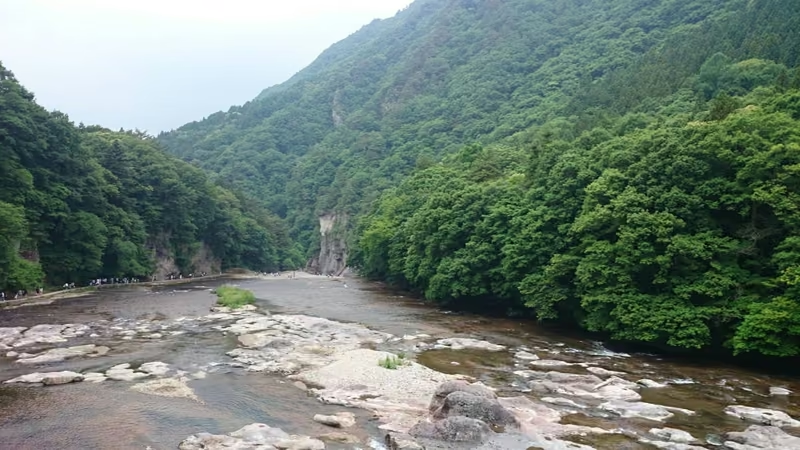
A wide rocky river running through a green gorge
Wild streams close in autumn. The managed ponds stay open all winter.

First-timer etiquette

House rules you'll meet almost everywhere. Staff may ask you to leave if they're broken.

  • Buy your ticket first and wear it where it can be seen.Most areas also need tickets for at least half (sometimes 70%) of your group, even if not everyone fishes.
  • Single barbless hooks only.Trebles, soft plastic lures, power bait and "trailer" rigs are usually banned. Check the lure size limits posted at reception.
  • One spot per person, cast straight ahead.Don't cast sideways across your neighbours, and take your things with you when you move.
  • Release without touching, or keep what you put in the basket.Use a net and a hook remover for catch-and-release. Once a fish goes in your keep net, you usually can't release it.
  • Hat and sunglasses.Required at some areas (Asaka Garden, for example) to protect your eyes from flying hooks.
  • No swimming, stone-throwing or open fires.BBQ only on stands in the permitted area, and take your rubbish home.
  • Bring cash.Several areas are cash-only, and rental deposits are often taken in cash.

Fishing license rules, in short

Managed trout areas

No license. The facility's ticket is all you need.

Rivers and lakes

Buy a day ticket (yugyoken, 遊漁券) from the local fishery cooperative. It's often sold at nearby convenience stores. Display it while fishing.

Sea, from shore

Generally no ticket, but local rules apply (restricted areas, species and gear).

Read the full license and season guide

Mountain streams

Wild yamame, amago and iwana live in Japan's mountain streams (渓流, keiryu). Each stretch is managed by a local fishery cooperative with its own season, ticket and catch rules, and most are closed from autumn until spring.

How far do you cast on a Japanese mountain stream?

Usually about 3 to 10 metres. Most mountain streams are narrow, so short, accurate casts to pools and pockets matter more than distance. From our trips.

What is trout called in Japanese?

Masu (鱒・マス) is the general word. The rainbow trout stocked at managed ponds is nijimasu (ニジマス); the native stream trout are yamame (ヤマメ), amago (アマゴ) and iwana (イワナ). See the Japanese names table.

What is a tsuribori?

Tsuribori (釣り堀・釣堀) is a pay fishing pond: a pool stocked with carp, goldfish or trout, usually with rod and bait provided. Ichigaya Fish Center in central Tokyo calls itself one. A kanri-tsuriba (管理釣り場) is a larger managed trout area — a pond or a stretch of river — where you can fish with lures, flies or bait. Some places have both: Hayatogawa runs a small tsuribori, ¥500 per fish you land, beside its river areas.

What is “area trout” fishing?

Lure and fly fishing at a managed trout area. Area trout (エリアトラウト) is what Japanese anglers call it: mostly ponds stocked with rainbow trout, but also lakes, sections of mountain streams and swimming pools reused in winter. Light rods and tiny spoons of about 1–3 g, barbless single hooks almost everywhere, and many lure ponds are catch-and-release. Dedicated area tackle has been sold since the early 2000s, and there are area tournaments. Sources: area types and history on kanritsuriba.com (Japanese).

Seasons, tickets, rules, bears and high water: see our stream fishing guide — and how to tell the species apart.

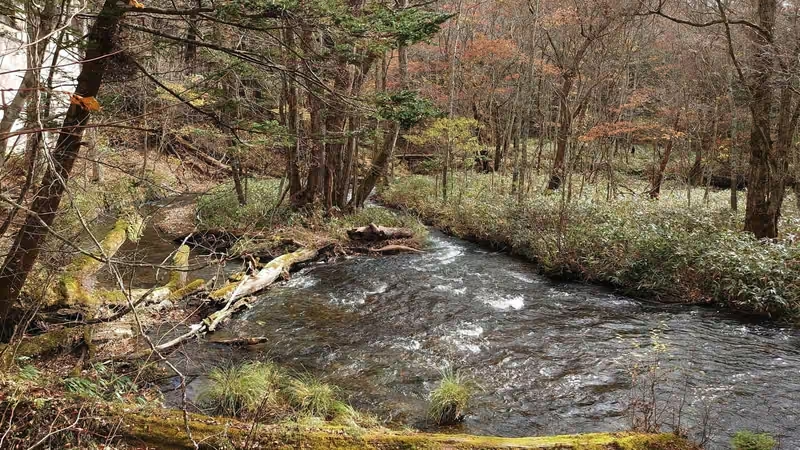
White water running over boulders in a forested mountain stream

Prefer a guide?

Bookable experiences, if you'd rather someone else handled the gear, language and logistics.

Traditional fishing in Tokyo

Guided Edo-style goby, micro-fishing and tanago (bitterling) fishing on Tokyo's waterways. English/Japanese, all gear and bait provided, beginner and family friendly. 3–6 hours.

Private river fishing in Hokkaido

A private guided river fishing trip with lunch and an English-speaking guide/translator, if your trip takes you north.

All fishing experiences

Sea fishing, boat trips and more across Japan, with instant booking and reviews.

We earn a commission if you book through these Klook links, at no extra cost to you. We haven't joined these tours ourselves — check the reviews and inclusions before booking.

Further afield

Bigger, more scenic areas, easier with a rental car. For lakes and mountain areas up to about three hours away — Hakone, Mt. Fuji, Nasu and Nikko — see trout fishing trips from Tokyo, and for Lake Chuzenji, Lake Yunoko and the Yukawa (open spring to September), trout fishing in Nikko. Fly anglers: see fly fishing in Japan for fly rentals and fly-only water.

Kanagawa

River Spot Hayato / Hayatogawa Trout Area — river setting in Sagamihara. Reachable by bus from Hashimoto or Hon-Atsugi Station with a free pick-up — see trout fishing in Tanzawa, which also covers Uratanzawa and the Tanzawa rivers. Lure, fly & tenkara day ticket ¥5,500 (from Oct 2026), rental lure rod ¥500 + reel ¥500, cash only, open all year. 2 Nov–25 Dec 2026 the usual forest road is closed to cars; come via the Arai forest road along Lake Miyagase (notice).

Tochigi and Fukushima

Nasu Fish Land — stream-style, Nasu-Shiobara. Nasu Shirakawa Forest Springs — lure & fly area.

Mt. Fuji area

Higashiyamako Fishing Area — lake area in Gotemba, Shizuoka. BerryPark in FISH ON! Shishidome — Yamanashi, sister area of Ozenji.

There are managed areas in almost every prefecture. Our Japan map is in Japanese; use your browser's translate button.

A trout in a landing net resting on river stones

Bringing your own gear?

  • Single barbless hooksRequired at lure and fly areas. Treble hooks, soft plastics and power bait are usually banned.
  • Small spoonsJapanese "area trout" fishing uses tiny spoons, about 1–3 g. Ozenji caps lures at 7 g and 10 cm.
  • Light lineLight lines of about 2–4 lb are typical. Tackle shops near the areas stock everything.
  • Hat and sunglassesAsked for (or required) for casting safety.

Live in Japan? Our Japanese pages compare consumables with current prices: spoons, hooks, line.