Trout Japan

Do you need a fishing license in Japan?
No — Japan has no national fishing license. Managed trout areas need nothing extra. Rivers and lakes need a local day ticket, the yugyoken (遊漁券). Sea shore: usually nothing, but local rules apply.
What you need, by place
It depends mostly on where you fish. Visiting from abroad? Rod fishing is fine — see the national rules for visitors.
| Where you fish | What you need | Where to get it |
|---|---|---|
| Managed trout area kanri-tsuriba | Just the facility's ticket | Reception desk on arrival |
| River or lake | Day ticket (yugyoken) from the local fishery cooperative | Cooperative office, nearby convenience stores & tackle shops, or an app |
| Sea, from shore | Generally nothing | — but follow local rules and signs |
| Fishing parks, piers & boats | The operator's fee | On site or when booking |
How river tickets work
Most rivers and lakes are managed by local fishery cooperatives (gyokyō, 漁協). They stock fish, look after the water and sell tickets for each stretch they manage — so you buy a ticket for the specific water you fish.
- Day tickethi-zuri-ken (日釣券) — what most visitors buy.
- Annual ticketnen-ken (年券) — for regulars; some cooperatives need an application or a photo.
- Target fish mattersA mountain-stream trout ticket (渓流, yamame/iwana) is different from an ayu ticket, and ayu tickets usually cost more. Say what you're fishing for.
- Display itKeep the ticket where it can be seen while you fish; inspectors patrol popular rivers.

Where to buy a yugyoken
Prices, rules and sales points differ by cooperative. Search the river name + 漁協 (gyokyō) to find the official page.
Convenience stores & tackle shops
Many near the river sell tickets, sometimes with a banner reading 遊漁証取扱所. If there's no sign, ask at the register.
The cooperative's office
Or a reception hut by the river.
Apps
Some cooperatives sell tickets online through apps such as FISH PASS (Japanese interface).
A patrol on the riverbank
Some cooperatives allow this, but it often costs more than buying in advance — a day ticket on the upper Tama River in Okutama is ¥2,500 in advance or ¥3,500 from a warden; on the Aki River, ¥2,500 or ¥5,000.
When is trout season?
Mountain streams
Each cooperative sets its own dates. For yamame, amago and iwana, rivers typically close in autumn for spawning and reopen around early spring. In western Tokyo, for example, the Okutama and Akigawa cooperatives allow yamame from their opening day to 30 September and rainbow trout to 31 December. Always check the exact dates. More in our stream fishing guide.
Managed trout areas
Most run all year, and they're busiest from autumn to spring — the reliable option when rivers are closed. In Tanzawa, for example, two stream-type areas stay open every day while the wild rivers are closed until 1 March.
Visiting from abroad? The national rules for visitors
Japan's Fisheries Agency has one extra set of rules for foreign nationals. For trout fishing with a rod, they change little: rod and line is allowed from the bank, on rivers and lakes, and from small boats.
| Method | From the shore or riverbank | Boat under 3 gross tons | Boat of 3 gross tons or more |
|---|---|---|---|
| Rod and line, or handline | Allowed | Allowed | Only aboard a Japanese boat run by a Japanese fisher (a fishing charter) |
| Landing net or scoop net | Allowed | Allowed | Only aboard a Japanese-run charter |
| Cast net | Allowed by these rules — many rivers ban it locally | Not allowed | Not allowed |
| Trolling | — | Only in areas and periods designated by the national government; ask the prefecture first | |
- Who counts as a "foreign national"Visitors without residence status. Permanent residents and other people with resident status are not covered by these rules.
- Where they applyJapan's territorial and internal waters — and internal waters include rivers and lakes.
- How muchRecreational fishing on a minor scale only.
- Everything else still appliesThe cooperative's ticket, seasons, size and catch limits apply to everyone, Japanese or not.
Source: Fisheries Agency of Japan, Recreational Fishing by Foreign Nationals (with an English flyer, PDF). Checked 24 Oct 2026. A summary, not legal advice.
Common local rules
- Barbless and single hooksRequired in many catch-and-release sections and at nearly all managed areas.
- Catch limits and minimum sizesSet by each cooperative.
- Catch-and-release sections(キャッチ&リリース区間) — no fish may be kept.
- Method limitsSome sections are fly-only or lure-only, and some ban bait. Fly anglers: see fly fishing in Japan.
Japanese words to know
Show these at a shop or a cooperative office.
| Japanese | Reading | Meaning |
|---|---|---|
| 遊漁券 | yūgyoken | Fishing ticket for a river or lake |
| 日釣券 | hi-zuri-ken | Day ticket |
| 漁協 | gyokyō | Fishery cooperative |
| 渓流 | keiryū | Mountain stream (trout) |
| 解禁 / 禁漁 | kaikin / kinryō | Season opens / closed season |
| 管理釣り場 | kanri-tsuriba | Managed fishing area (no license needed) |
| バーブレス | bāburesu | Barbless hook |
Easiest option: skip the paperwork
Managed trout areas need no license, rent rods, and several are reachable by train from Tokyo.
See 6 no-gear spots near Tokyo
Going further? Trout fishing trips within 3 hours of Tokyo · Or book a guide
Ticket and season examples: fishing rules of the Okutama and Hikawa cooperatives and the Akigawa cooperative (Tokyo Metropolitan Government, Japanese), checked 24 Oct 2026.
This page is a general guide for visitors, not legal advice. Rules are set locally and change; when in doubt, ask the cooperative or a local tackle shop.
Keep reading
-
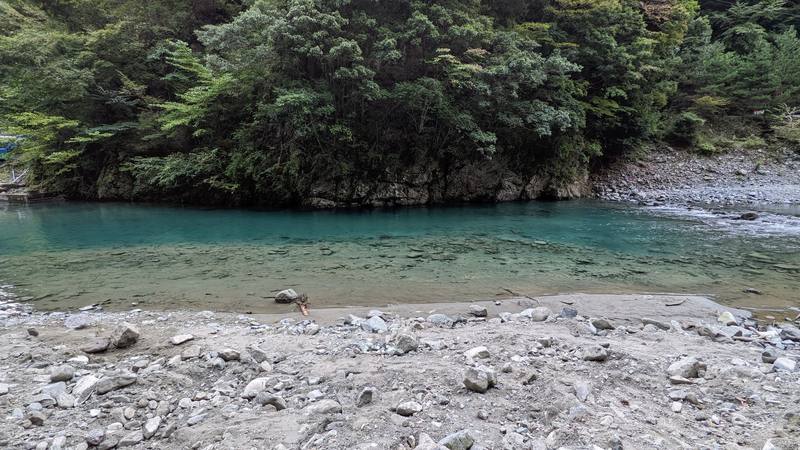
No-gear trout spots near Tokyo
Six areas you can reach by train, all renting rods — and some will grill your catch.
-
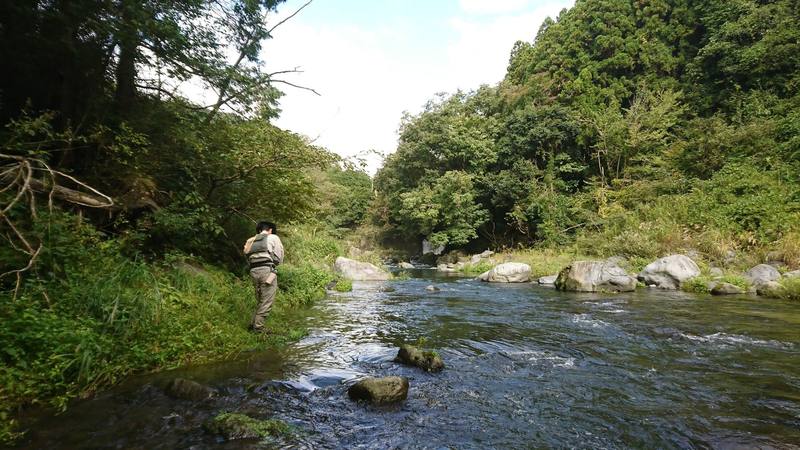
Stream fishing in Japan
When mountain streams open, the local day ticket, river rules, bears and dam releases.
-
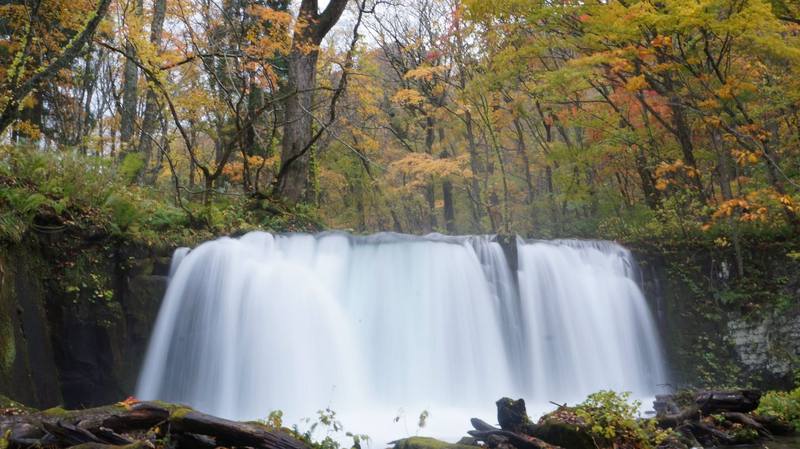
Trout fishing trips from Tokyo
Eleven lakes, ponds and streams within about three hours: Okutama, Hakone, Mt. Fuji, Nikko, Nasu.
-
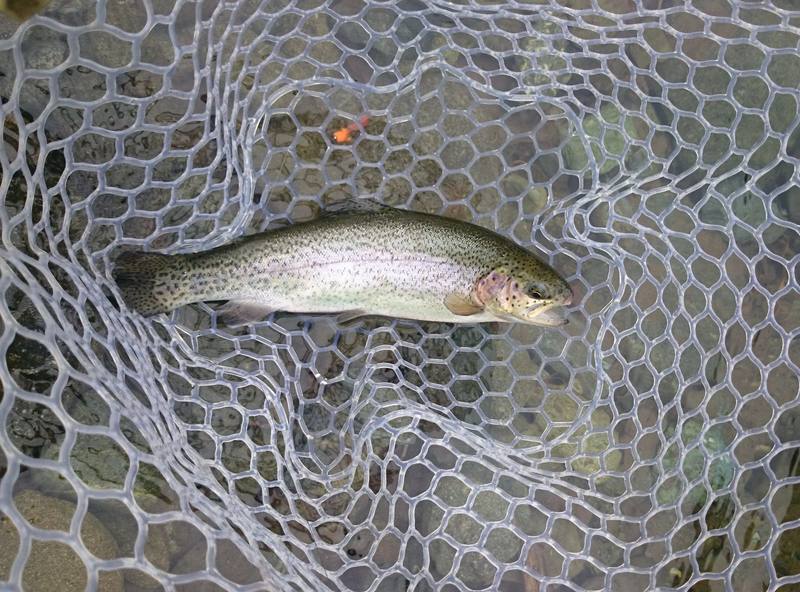
Trout fishing near Osaka and Kyoto
Six managed areas around Osaka, Kyoto and Kobe — five reachable by train and bus.