Trout Japan

Stream fishing in Japan
Japan's mountain streams (keiryu, 渓流) hold wild yamame, amago and iwana (how to tell them apart). Most close from autumn to early spring. When they're open, buy the local cooperative's day ticket, fish in daylight, check the river before you go — and make noise for bears.
The short answers
Can I fish a stream right now?
From October most wild trout water is closed. In western Tokyo, yamame and iwana close on 30 September; the Aki River closes its upper river and several tributaries to all fishing until the spring opening day. For a stream in the off season, go to a stream-style managed area.
Do I need a license?
No national one — but you need the local cooperative's ticket (yugyoken, 遊漁券). In Okutama or on the Aki River a day ticket is ¥2,500 in advance. Visitors from abroad may fish with rod and line. More: fishing license in Japan.
Is it safe?
The two big risks are sudden high water — from rain or a dam release — and bears. Check the river and the bear sightings map on the morning you go, and don't fish alone. See safety.
How far will I cast?
Usually about 3 to 10 metres. Streams are narrow, so short, accurate casts to pools and pockets matter more than distance. From our trips.
When are Japan's trout streams open?
Each fishery cooperative (gyokyō, 漁協) sets its own season, and it differs by fish. The pattern: closed in autumn for spawning, open again in early spring on an opening day (kaikin, 解禁) the cooperative announces. Examples from rules filed with the Tokyo Metropolitan Government, and from Nikko:
| Water | Yamame and iwana | Rainbow trout | Closed areas in the off season |
|---|---|---|---|
| Upper Tama River and tributaries, Okutama Okutama and Hikawa cooperatives | Opening day to 30 September | Opening day to 31 December | Spawning beds the cooperative builds are closed and marked with signs; some stretches are closed all year |
| Aki River and tributaries Akigawa cooperative | Yamame: opening day to 30 September | Opening day to 31 December | Upstream of Sawado Bridge (沢戸橋), plus the Bonbori, Fukasawa and upper Hirai rivers: no fishing at all from 1 October to the trout opening day, except designated fishing areas |
| Yukawa, Nikko Catch-and-release river | 1 May to 30 September (brook and rainbow trout) | Closed outside the season — see the Yukawa | |
The opening day is announced by each cooperative on its notice boards and website. Before you plan a spring trip, search the river name + 漁協 解禁.
The ticket: buy it before you fish
On a cooperative's water you need its ticket (yugyoken). Buy it from the cooperative's office, a designated shop near the river, or — for some cooperatives — online. You can usually pay a warden on the river, but it costs more.
| Day ticket | In advance | Paid to a warden |
|---|---|---|
| Okutama (all species) | ¥2,500 | ¥3,500 |
| Aki River (rainbow trout and yamame) | ¥2,500 | ¥5,000 |
- ChildrenOn both rivers, primary-school age and under fish free, and junior-high students pay half.
- Wear itKeep the ticket where a warden can see it, and don't lend it to anyone.
- Managed stretches charge separatelyFishing areas run on the same rivers — such as Okutama Fishing Center or Akigawa International — have their own tickets.

Rules on the water
These come from the western Tokyo cooperatives' rules. Other rivers have similar ones — check the rules for the water you fish.
- Daylight onlyNo fishing between sunset and sunrise, for safety and enforcement.
- Rod or hand lineFor trout, no nets or other gear. In Okutama, one rod per person.
- Size limitsOkutama: yamame and rainbow trout of 12 cm or under, and iwana of 15 cm or under, go back. Aki River: yamame and rainbow trout of 12 cm or under.
- Give other anglers roomThe rules require you to keep a fair distance and not get in anyone's way. On a narrow stream, don't step in just upstream of someone already fishing.
- Follow the wardenWardens wear an armband and can stop you fishing if you break the rules — with no refund.
- Method limitsSome stretches are fly-only, catch-and-release or barbless. Fly anglers: see fly fishing in Japan.
Sources: fishing rules of the Okutama and Hikawa cooperatives and the Akigawa cooperative (Tokyo Metropolitan Government, PDF, Japanese), checked 26 Oct 2026. Nikko: our fly fishing page (checked 24 Oct 2026). A summary, not legal advice.
Safety: high water and bears
Plan for both on every stream trip. Tell someone where you're going, and don't fish alone.
Sudden high water
- Siren, flashing sign or patrol car? Get out now.Below dams, these warn that the dam will release more water. At Miyagase Dam, for example, the usual release of about 2–15 m³ a second can rise to 100 m³ — and the river below rises fast.
- Rain can do it without a damThe dam office's advice: once rain starts, don't go down to the riverbed. Rain upstream can raise the river where you stand.
- Check before you goBrown water, a rising level or heavy rain just before: pick another day. Official cameras, gauges and rain radar: how to check the river.
Source: Ministry of Land, Infrastructure, Transport and Tourism, Sagami River dams office — Beware of dam releases (放流に注意!!, Japanese), checked 26 Oct 2026.
Bears
Asian black bears (tsukinowaguma, ツキノワグマ) live in Japan's mountains, including western Tokyo. They can run at 40 km/h and climb and swim well, so the aim is not to meet one. The roar of a stream hides your noise and theirs — Tokyo warns that places where water is loud are where surprise encounters happen.
| Situation | What Tokyo advises |
|---|---|
| Before you go | Check recent sightings on TOKYO Kumap (TOKYOくまっぷ, Japanese; it also covers Yamanashi). Avoid heading in at dawn or dusk, when bears are most active. |
| On the stream | Let bears know you're there: a bear bell, a radio, talking loudly or clapping. Go with others. Turn back if you see droppings or tracks. |
| A bear in the distance | Stay calm and leave. Don't run or shout. |
| A bear close by | Don't turn your back. Back away slowly. If it comes at you, bear spray works. |
| If attacked | Lie face down and curl up, hands clasped behind your neck and elbows guarding your face. |
| Food | Never feed wild animals. Keep food sealed and take rubbish home. |
Source: Tokyo Metropolitan Government Bureau of Environment, bear advice for hikers and outdoor visitors (登山・レジャーのときは, Japanese), checked 26 Oct 2026. Elsewhere in Japan, check the prefecture's bear page; the Ministry of the Environment links them from its bear information page (Japanese).
Fish a stream in the off season
Some managed areas are built on a real mountain stream and stay open all year — the easiest way to try stream fishing from autumn to spring, with a ticket at the gate and nothing else to sort out.
- Akigawa International Trout Fishing AreaA shaded stream in Akiruno, Tokyo, by train and bus. Closed Thursdays from November to March.
- HayatogawaA river area in the Tanzawa mountains, Kanagawa, by car — or by bus with a free pick-up. The usual forest road is closed to cars from 2 November to 25 December; use the detour.
- Uratanzawa Keiryu TsuribaAbout 1.5 km of clear stream in Kanagawa for lure, fly and tenkara, including a fly-only stretch. New prices from 1 November.
In Japanese: 丹沢の渓流と、渓流型の管理釣り場 — the Tanzawa rivers' season and day tickets, and both stream areas in detail; はじめての渓流釣り — a first-timer's guide to tickets, seasons, gear and etiquette; 渓流釣りの安全ガイド — high water and dam releases, bears, lightning, heat and going alone.

Japanese words on river signs
| Japanese | Reading | Meaning |
|---|---|---|
| 渓流 | keiryū | Mountain stream |
| 解禁 / 禁漁 | kaikin / kinryō | Season opens / no fishing |
| 遊漁券 | yūgyoken | Fishing ticket |
| 漁場監視員 | gyojō kanshi-in | Fishing warden |
| 産卵場 | sanranjō | Spawning bed (no fishing) |
| 放流 | hōryū | Release — of dam water or of stocked fish. Near a dam with a siren, it means get out. |
| 増水 | zōsui | Rising water |
| クマ出没注意 | kuma shutsubotsu chūi | Beware: bears seen here |
Not ready for a wild stream?
Managed trout ponds near Tokyo need no license, rent rods and are open all year.
See 6 no-gear spots near Tokyo
This page is a general guide for visitors, not legal advice. Rules and seasons are set locally and change; when in doubt, ask the cooperative or a local tackle shop.
Keep reading
-
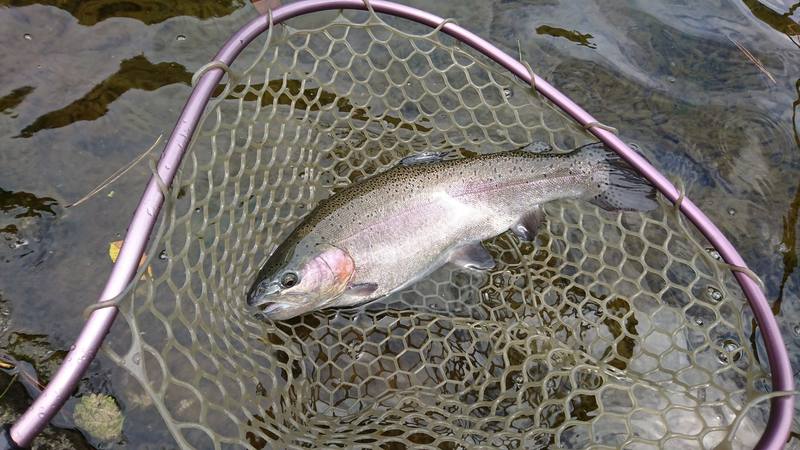
Japanese trout species
Yamame, amago, iwana, rainbow and brown trout — how to tell them apart, and their names.
-
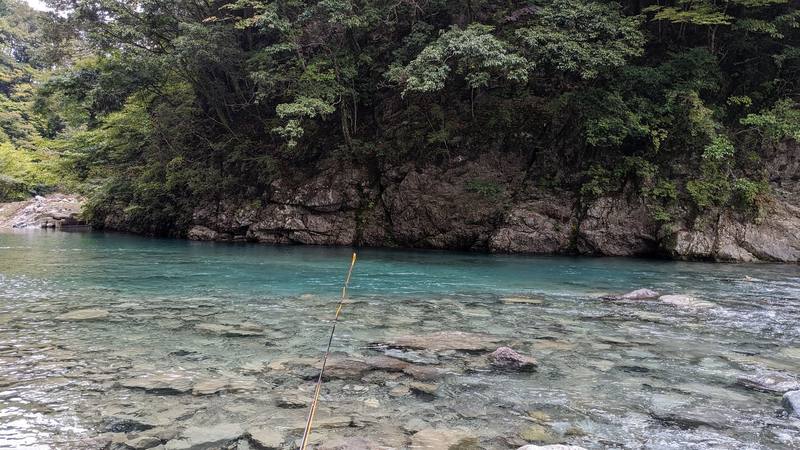
Trout fishing in Tanzawa
Two clear-stream areas open all year, one by bus with a free pick-up; the rivers from 1 March.
-
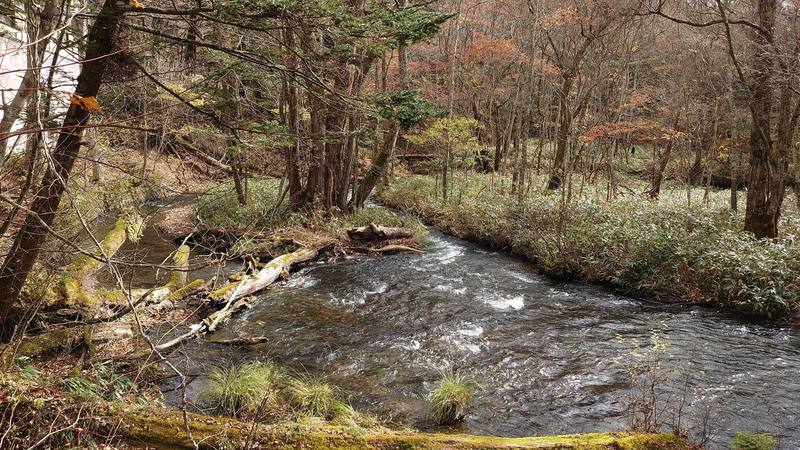
Fly fishing in Japan
Fly rentals near Tokyo, fly-only water, Lake Ashi and the Yukawa in Nikko.
-
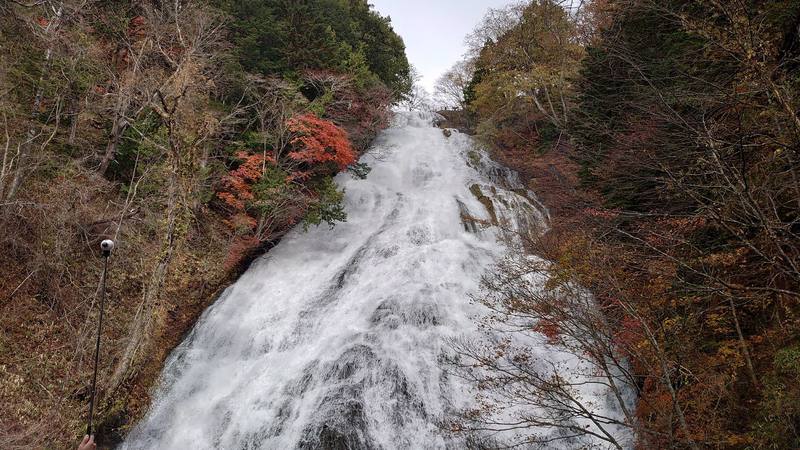
Trout fishing in Nikko
Lake Chuzenji, Lake Yunoko and the Yukawa — seasons, day tickets and the bus from Tobu-Nikko.